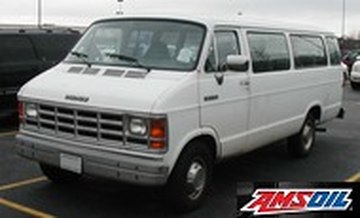
Engine Lubrication Maintenance for the 1981 Dodge Trucks B350 VAN 5.2L
Maintaining a large-displacement engine requires consistent attention to lubrication quality and system integrity. For owners of a 1981 Dodge Trucks B350 VAN equipped with the 5.2L engine, routine service is not merely about changing fluids; it is about monitoring the overall health of the mechanical components that rely on those fluids for protection and operation.
Monitoring Fluid Condition and Potential Leaks
One of the most effective ways to monitor the health of a 5.2L engine is through regular visual inspections of the engine bay and under the vehicle. Because this vehicle is an older model, it is practical to look for signs of fluid seepage or active leaks that may develop over time. When performing routine checks, pay close attention to the areas around gaskets and seals. Any evidence of wetness or residue in these locations can indicate that a seal is beginning to age or that a gasket is no longer providing an effective barrier.
If you notice fluid accumulating on the underside of the engine or dripping onto the ground after the vehicle has been parked, this warrants investigation. It is important to note that a single symptom, such as a small puddle, can be associated with various components. Rather than assuming a specific part has failed, use these observations as a prompt to inspect all accessible sealing surfaces and connections. Keeping the engine area relatively clean also makes it much easier to spot new leaks before they become significant issues.
Observing Changes in Engine Performance
Beyond visible leaks, an owner should remain observant of how the vehicle behaves during operation. Changes in how the engine sounds or runs can sometimes be linked to lubrication status. For instance, unusual mechanical noises that appear during startup or while idling may indicate that the lubricant is not reaching certain components as effectively as it should. While these sounds can have many different causes—ranging from belt tension issues to internal mechanical wear—they are important indicators that something in the engine's operating environment has changed.
Additionally, keep an eye on any warning indicators presented on the dashboard. If a lubrication-related light or indicator illuminates, it requires immediate attention. Similarly, if you notice changes in how the engine handles heat, such as signs of overheating, this should be investigated alongside your oil maintenance routine. Monitoring these subtle shifts allows for more proactive care rather than reacting to a sudden mechanical event.
Managing Maintenance Records and History
For long-term ownership of a 1981 Dodge Trucks B350 VAN, establishing a clear history of service is highly beneficial. If you have recently acquired this vehicle, your first priority should be to establish a maintenance baseline. This involves reviewing any available service records to see what has been performed in the past and identifying any gaps in the maintenance history. If no records exist, begin documenting every oil change, filter replacement, and inspection from this point forward.
A well-maintained logbook helps you distinguish between routine preventive maintenance and repairs that may be necessary due to the age of the vehicle. By tracking when fluids were last changed and noting any observed seepage or minor issues, you can identify patterns over time. This data is invaluable when deciding which maintenance tasks to prioritize. For example, if your records show a consistent pattern of slight oil consumption, you can monitor that trend closely rather than being surprised by it later.
Practical Inspection of Engine Accessories
While focusing on lubrication, it is also useful to inspect other components that are integral to the engine's operation. If equipped, accessible drive belts should be checked for signs of wear such as cracking, glazing, or fraying. These belts often drive essential accessories, and their condition is a key part of overall engine bay health. Similarly, if the vehicle is equipped with various hoses, inspect them for any signs of brittleness, swelling, or leaks.
Electrical connections and wiring harnesses should also be checked for cleanliness and secure attachment. Age-related deterioration can sometimes affect electrical integrity, which may indirectly impact how engine sensors or indicators function. By combining these general inspections with your lubrication service, you ensure that the entire engine environment is being monitored systematically.
Prioritizing Service Tasks Based on Condition
As a vehicle ages, maintenance needs can shift. Rather than following a rigid schedule based solely on the age of the van, it is often more effective to prioritize tasks based on the actual current condition of the engine and its components. This means addressing active leaks or visible signs of wear as they appear, rather than waiting for a scheduled interval that may not account for the specific way the vehicle has been used.
When deciding where to focus your efforts, start with the most immediate concerns:
- Active Leaks: Address any significant fluid loss or seepage immediately to prevent further issues.
- Fluid Integrity: If the oil appears heavily contaminated or shows unusual properties, prioritize a change and inspection.
- Critical Components: Focus on belts, hoses, and electrical connections that show visible signs of deterioration.
Buying Engine Oil for the 1981 Dodge Trucks B350 VAN 5.2L
When it is time to replenish your engine's lubricant, the most important step is to ensure the product you select matches the specific requirements of your application. To find the correct oil for your 1981 Dodge Trucks B350 VAN 5.2L, match the engine oil to the application-specific viscosity information already displayed on this page.
When shopping for products, consider the following practical tips:
- Verify Product Labels: Always check the container to ensure the grade and specifications align with the information provided in your vehicle's documentation.
- Evaluate Formulations: Depending on your specific needs, you may encounter conventional oils, synthetic blends, or full synthetic options. Some high-mileage oil formulations contain additives intended for use in aging engines, including seal-conditioning additives, which may be a consideration for older engines showing signs of seepage.
- Check Certifications: Look for appropriate API certifications on the label to ensure the oil meets modern quality and performance standards.